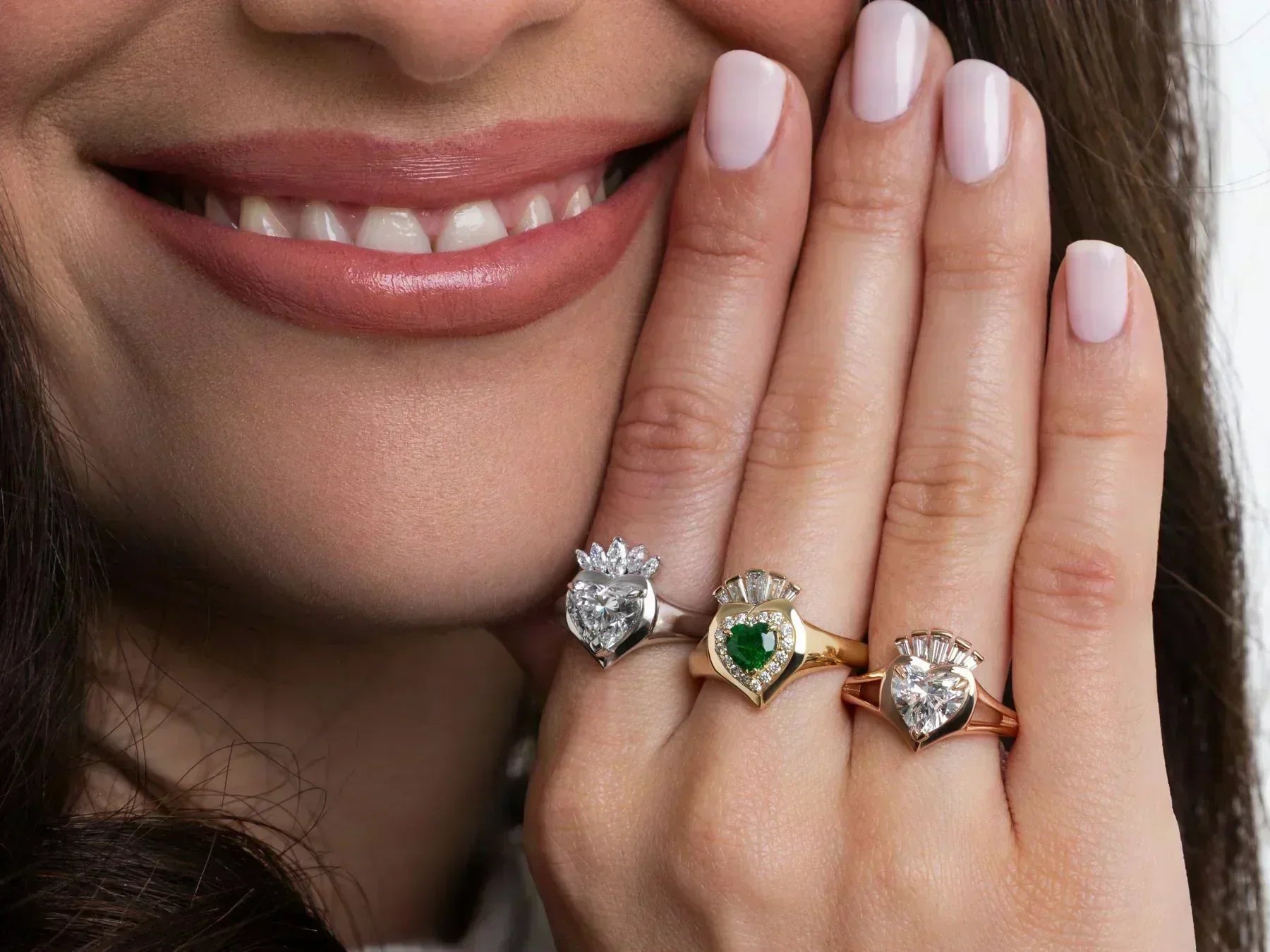
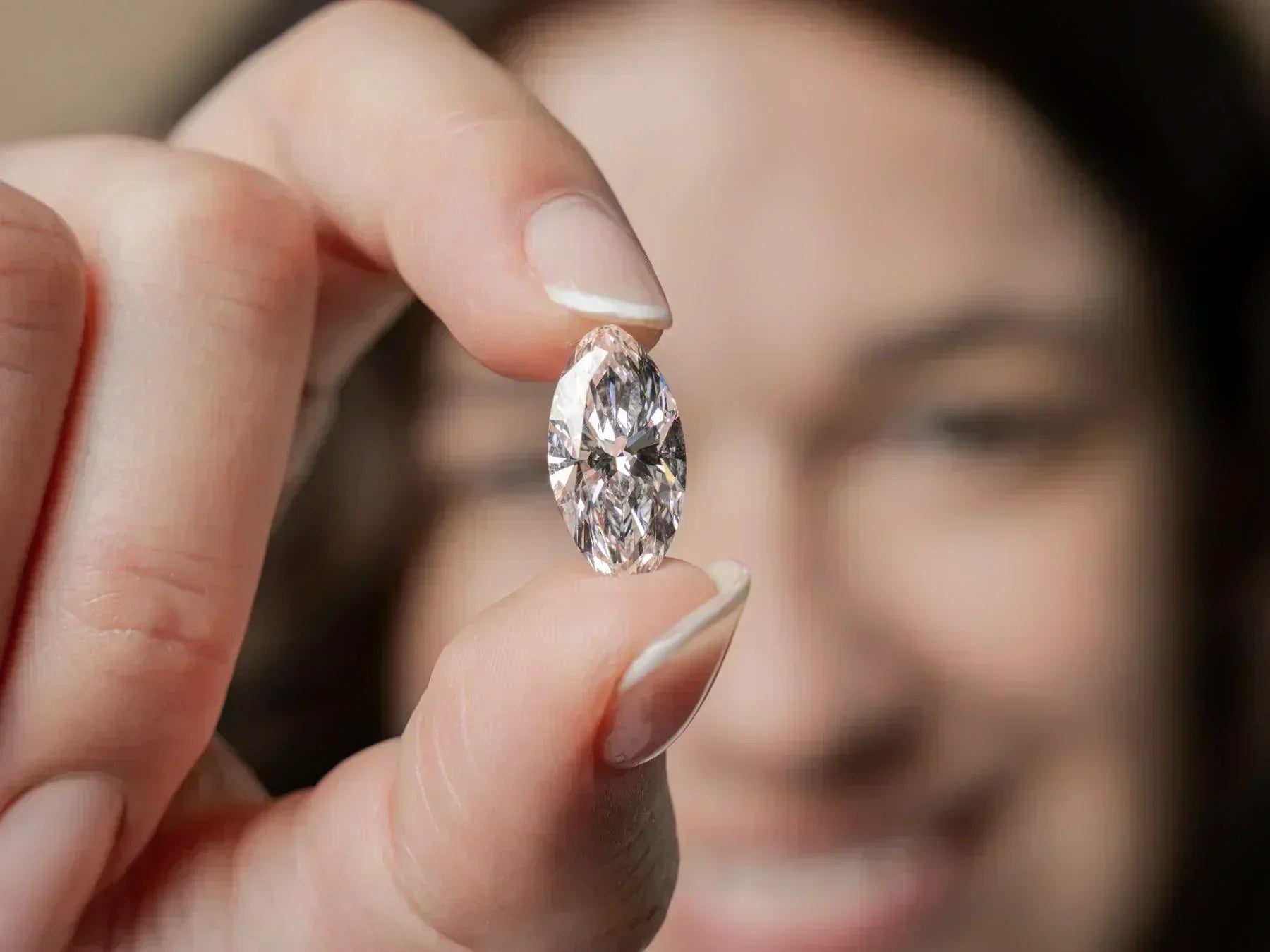
Natural Diamonds, Why They Remain the Ultimate Choice

Natural diamonds have captivated us for centuries, valued for their rarity, brilliance, and remarkable origin. Long before they became the centrepiece of engagement rings and modern jewellery, they were prized as one of the most extraordinary materials found on earth.
Formed deep within the earth billions of years ago, every natural diamond carries a story that cannot be replicated. No two are ever exactly the same, making each stone entirely individual.
What Are Natural Diamonds?
Natural diamonds are gemstones created entirely by nature. Formed deep within the earth under extreme heat and pressure, carbon atoms crystallise over billions of years to create the hardest natural material known.

Unlike lab grown diamonds, which are produced in controlled environments, natural diamonds are the result of complex geological processes that cannot be recreated. Each stone is shaped by conditions that occurred only once in time.
Once discovered, rough diamonds are cut and polished to maximise brilliance. This is where expertise matters. The way a diamond is selected and finished has a direct impact on how it performs in real life.
How Natural Diamonds Are Formed

Natural diamonds begin their journey approximately 150 to 200 kilometres below the earth’s surface. Under intense pressure and temperatures of up to 1,300°C, carbon atoms bond to form diamond.
Volcanic activity then brings these crystals closer to the surface through kimberlite rock, where they are eventually discovered and mined.
Why Natural Diamonds Are So Rare

While diamonds are mined in several locations worldwide, only a small percentage are suitable for jewellery.
- Only about 20% of mined diamonds are considered gem quality
- An even smaller proportion meets the standards for fine jewellery
- Cut, colour, and clarity must align to produce exceptional brilliance
At The Diamond Expert, we take this further. We focus on diamonds in the D to H colour range with flawless to SI1 clarity, selecting stones that deliver bright white sparkle and excellent balance.
At the highest level, rarity becomes even more pronounced. Fancy coloured diamonds (pink, yellow, blue, etc.) represent just 0.01% of all gem quality diamonds, making them exceptionally scarce.
Natural Diamonds vs Lab Grown Diamonds

Natural and lab grown diamonds share the same chemical structure, both are composed of crystallised carbon. The key difference lies in how they are formed.
- Natural diamonds develop over billions of years through geological processes
- Lab grown diamonds are created in a matter of weeks using advanced technology
While they look similar, natural diamonds are valued for their rarity, permanence, and unique origin. They are finite, and that scarcity is part of what gives them long-term significance.
Diamond Quality: What Actually Matters

Diamonds are graded using the Four C’s:
- Cut
- Colour
- Clarity
- Carat weight
These factors determine both the appearance and value of a diamond. However, it is not just about the grades themselves, but how they work together.
At The Diamond Expert, we prioritise combinations that maximise visible beauty. We carefully select diamonds in the D to H colour range with flawless to SI1 clarity, ensuring a bright white look without unnecessary cost.
This is where expert guidance makes a difference. A well chosen diamond will always outperform a poorly balanced one, regardless of carat weight.
Built to Last a Lifetime
Diamonds rank 10 on the Mohs scale, making them the hardest natural substance on earth.
This durability means they can be worn daily while maintaining their brilliance. With proper care, a natural diamond can last for generations, making it one of the few pieces of jewellery designed to be passed down.
The Science Behind a Diamond’s Sparkle

A diamond’s brilliance comes from the way it interacts with light.
When expertly cut, light enters the stone, reflects internally, and returns to the eye as bright white sparkle and flashes of colour, known as fire.
This is why cut is often the most important factor. It determines how alive a diamond looks.
Expert Insight
“Natural diamonds are extraordinary because they carry a history that stretches back billions of years,”
says Rhona Fitzpatrick, founder of The Diamond Expert.
“When you choose a natural diamond, you’re choosing something rare, finite, and completely individual. That’s what gives it real meaning.”
A Diamond That Becomes Part of Your Story
Choosing a natural diamond is about more than appearance.
It is one of the few luxury purchases that can be worn every day, last indefinitely, and be passed through generations.
A well chosen diamond becomes part of your story, marking milestones, celebrations, and meaningful moments.
Timeless, in the truest sense.

Rhona Fitzpatrick, Private Jeweller
The Diamond Expert
FAQs About Natural Diamonds
-
Are natural diamonds better than lab grown diamonds?
Natural diamonds and lab grown diamonds share the same chemical composition, but natural diamonds are defined by their origin. Formed deep within the earth over billions of years, each one is finite and entirely unique as a thumbprint. That rarity gives natural diamonds a depth and significance that cannot be replicated.
-
Do natural diamonds hold their value?
Natural diamonds are inherently limited in supply, which supports their long-term value. Unlike lab grown diamonds, their rarity and enduring demand help them retain worth over time. Quality and careful selection remain essential.
-
How can you tell if a diamond is natural?
The most reliable way is through certification from recognised gemmological laboratories such as GIA or HRD. These reports confirm whether a diamond is natural or lab grown. Natural diamonds will also carry a microscopic laser inscription on the girdle, the outer edge of the stone, linking directly to its grading report.
-
Why are natural diamonds so special?
Every natural diamond is the result of extraordinary conditions, formed under intense heat and pressure over billions of years. Only a tiny fraction are ever discovered, and fewer still meet the standards for fine jewellery. Their rarity is what makes them truly exceptional.

Written by Rhona Fitzpatrick, Private Jeweller and CEO of The Diamond Expert